AI Visibility
How Can You Measure Search Everywhere Optimisation?
Over the last few years, the way people search for information has changed dramatically.
For most of the history of digital marketing, search engine optimisation was focused almost entirely on Google. Marketers would identify keywords, optimise pages around those keywords, build links and then monitor rankings to see whether their efforts were working. Success was measured through clicks, traffic and conversions.
That world is changing.
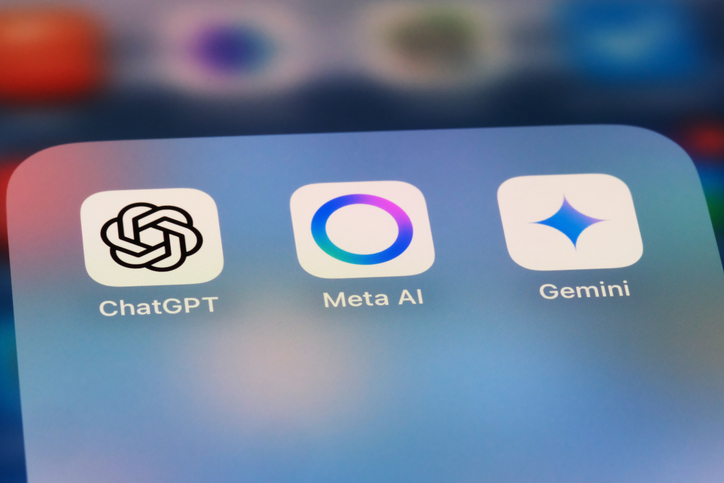
As consumers increasingly move towards AI-powered search tools such as ChatGPT, Gemini, Claude and Perplexity, traditional SEO metrics are no longer telling the full story. In fact, a business could be gaining visibility across AI platforms whilst simultaneously seeing traffic decline.
This was one of the reasons I began talking about Search Everywhere Optimisation rather than simply Search Engine Optimisation. Search no longer happens in one place. It happens across a growing number of platforms, devices and AI models. If businesses are serious about remaining visible, they need to understand how to measure their performance across all of them.
What Is Search Everywhere Optimisation?
Search Everywhere Optimisation is the process of optimising your brand’s visibility across every search environment where consumers look for answers.
Historically, SEO focused on ranking within Google and, to a lesser extent, Bing. Today, consumers are increasingly using AI models to answer questions, compare products and research services. Many users are beginning their buying journey inside ChatGPT, Gemini or Perplexity rather than inside a traditional search engine.
This changes the objective of optimisation.
The goal is no longer simply to rank in Google.
The goal is to ensure your brand appears wherever your audience is searching.
That includes traditional search engines, AI Overviews, large language models, video search platforms and social search environments.
Why Has Measuring SEO Become More Difficult?
Measuring SEO has become more difficult because AI search platforms operate differently from traditional search engines.
Google historically worked by displaying a list of results and encouraging users to click through to websites. Every click could be measured. Every visitor could be tracked. Every conversion could be attributed back to a source.
Large language models do not always work that way.
When somebody asks ChatGPT a question, the platform attempts to understand the user’s intent before constructing an answer. It may analyse the context of the question, infer additional information and synthesise a response from multiple sources. In many cases, the user receives the answer they need without ever visiting a website.
This creates what is known as a no-click search.
The visibility still exists.
The website may still have been referenced.
The brand may still have influenced the buying decision.
The traffic simply never arrives.
What Is A No-Click Search?
A no-click search occurs when a user receives the information they need without leaving the search platform.
This trend began before the rise of AI. Featured snippets, knowledge panels and Google’s answer boxes all contributed to reducing clicks. AI Overviews have accelerated that trend significantly.
Today, users can ask complex questions and receive detailed answers directly within the search environment. The need to click through to a website is often reduced because the answer has already been delivered.
For marketers, this creates an important distinction between visibility and traffic.
A brand may have strong visibility whilst generating fewer visits.
This is why measuring Search Everywhere Optimisation requires a broader approach than traditional SEO reporting.

Why Is Website Traffic No Longer The Only Metric That Matters?
Website traffic remains important, but it is no longer the sole indicator of success.
Many businesses are experiencing a decline in organic traffic whilst simultaneously increasing their visibility within AI search environments. This can appear alarming until you understand what is happening behind the scenes.
Your website is increasingly becoming the source rather than the destination.
The content you publish is being used by AI systems to answer questions. Consumers may encounter your expertise long before they ever visit your website. They may become familiar with your brand through repeated citations across AI-generated responses.
This means marketers must begin measuring visibility, authority and citations alongside traffic.
The businesses that continue focusing exclusively on clicks risk missing the bigger picture.
What Metrics Should Businesses Measure?
The most effective Search Everywhere Optimisation strategies combine traditional SEO metrics with AI visibility metrics.
Traffic and rankings remain important because traditional search still drives significant value. However, businesses should also be monitoring how frequently their brand appears within AI-generated results.
A modern reporting framework should include:
- Organic search visibility
- Keyword rankings
- Website traffic
- Brand mentions
- AI citations
- AI Overview appearances
- Topic authority
- Share of voice
Taken together, these metrics provide a far more accurate view of modern search performance.
Looking at rankings alone no longer tells the whole story.
How Do AI Models Decide Which Brands To Reference?
AI models are constantly evaluating trust, authority and relevance.
When a question is asked, large language models attempt to identify the most credible sources available. This means content quality matters more than ever before.
The strongest signals include experience, expertise, authority and trust. Collectively, these are often referred to as E-E-A-T. The more evidence your website provides that you genuinely understand a topic, the more likely it becomes that AI systems will reference your content.
This is why Learning Centres have become so valuable.
Businesses that build comprehensive repositories of content around specific subject areas create stronger topical authority. The more authority that exists around a topic, the more opportunities there are for AI systems to cite that content.
Why Does Content Play Such A Central Role?
Content remains the fuel that powers modern search visibility.
The difference is that content now serves multiple audiences simultaneously. It must be understandable for human readers, indexable for search engines and easily interpreted by AI systems.
The most successful content strategies focus on answering real questions.
What are consumers asking?
What information are they seeking?
What objections are they trying to overcome?
The businesses that answer those questions consistently are the businesses that build authority.
This is exactly why Learning Centre strategies continue to outperform traditional blogging approaches. A structured repository of content organised around specific content silos provides a much stronger foundation for both SEO and AI visibility.
How Does Insight Owl Measure Search Everywhere Optimisation?
Insight Owl was built because traditional analytics platforms were no longer giving marketers the complete picture.
Google Analytics provides valuable traffic data. Google Search Console provides valuable search visibility data. SEMrush provides valuable keyword intelligence. The problem is that these tools exist in isolation.
Insight Owl brings them together.
The platform combines data from Google Analytics, Google Search Console, SEMrush and proprietary AI visibility sources to create a single reporting environment. This enables businesses to understand not only how much traffic they receive, but also how frequently they are appearing across AI search platforms.
Every time your website is referenced within Google Gemini AI Overviews, ChatGPT or other supported AI environments, that visibility can be monitored and analysed.
Rather than relying on assumptions, businesses can begin measuring their presence across the entire search ecosystem.
Why Will Search Everywhere Optimisation Become The Standard?
Consumer behaviour has already changed.
The question is not whether AI search will become mainstream. It already is.
The question is whether businesses are adapting quickly enough to remain visible.
Search Everywhere Optimisation recognises that modern search exists across multiple environments. Google remains important. Bing remains important. ChatGPT, Gemini, Claude and Perplexity are becoming increasingly important. Social search is growing rapidly. Video search continues to expand.
The businesses that succeed over the next decade will not optimise for a single search engine.
They will optimise for every place their audience searches.
That requires better reporting, broader visibility measurement and a deeper understanding of how AI platforms discover and reference content.
If you want to understand how your brand performs across traditional search engines and AI search platforms, Insight Owl provides a single reporting environment that combines traffic, rankings, AI visibility and citation data into one intelligent dashboard. Simply navigate to the Rankings and AI Visibility section to understand exactly where your brand is appearing and how your Search Everywhere Optimisation strategy is performing.
Simple pricing, serious output.