AI Visibility
Can You Track Traffic From AI Search Platforms?
The short answer is yes.
The longer answer is that tracking traffic from AI search platforms is significantly more complicated than tracking traditional search traffic.
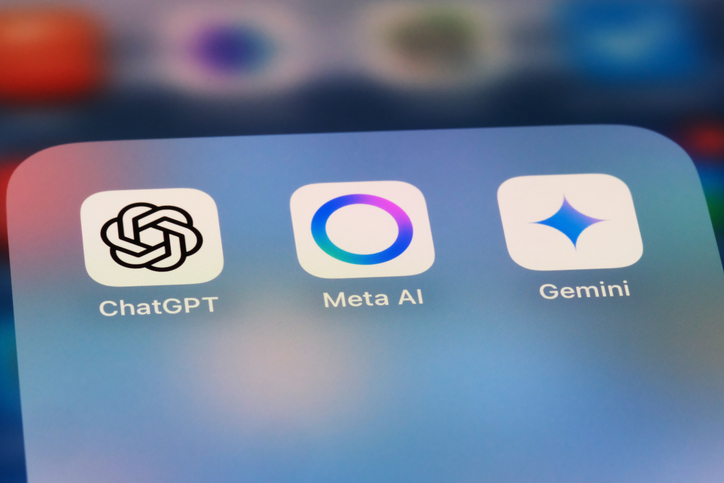
For years, marketers relied on Google Analytics to tell them exactly where visitors were coming from. Organic search, paid search, social media and referral traffic all had clearly defined reporting categories. The rise of large language models such as ChatGPT, Gemini, Claude and Perplexity has changed that.
These platforms do not always behave like traditional search engines. In many cases, they answer a user’s question directly without ever sending a visitor to a website. This means businesses must now think differently about both visibility and traffic.
Understanding how AI search works is the first step towards measuring its impact.
What Will You Learn In This Article?
This article covers:
- Why AI traffic is different from traditional search traffic
- How ChatGPT sends visitors to websites
- Why AI traffic often appears as direct traffic
- How Google Analytics handles AI referrals
- The difference between traffic and citations
- How Insight Owl tracks AI visibility
- What marketers should measure moving forward
Can You Track Traffic From AI Search Platforms?
Yes, it is possible to track traffic from AI search platforms, although the process is not always straightforward.
Traditional search engines provide a clear referral path between the search result and the destination website.
AI search behaves differently.
Large language models attempt to understand the user’s intent before deciding whether a website link is even necessary.
In many cases, the AI answer satisfies the user’s question entirely.
No click occurs.
No website visit happens.
This means measuring AI visibility requires a broader approach than simply counting website visitors.
Why Is AI Traffic Different From Traditional Search Traffic?
AI search platforms are designed to answer questions rather than simply present links.
Traditional search engines operate by displaying results and encouraging users to click through to websites.
Large language models take a different approach.
They analyse the query.
They understand the context.
They synthesise information.
They generate an answer.
Only when additional information is required will they often present website references or citations.
This changes the role of your website.
Historically, the website was the destination.
Today, it is increasingly becoming the source.
That distinction is incredibly important for marketers to understand.
How Does ChatGPT Send Traffic To Websites?
ChatGPT sends traffic when it determines that a user would benefit from visiting an external source.
This typically happens when:
- The user requests further information
- A citation supports the answer
- A product or service recommendation is made
- Additional resources are required
The amount of traffic passed depends heavily on the quality and authority of the content being referenced.
Businesses that consistently answer important industry questions are more likely to receive these citations.
This is why Learning Centre content has become such a valuable asset.
The more authoritative content you create, the more opportunities exist for AI platforms to reference your website.
Why Does AI Traffic Often Appear As Direct Traffic?
One of the biggest frustrations for marketers is that AI traffic often appears within direct traffic reports.
Google Analytics defines direct traffic as visitors who arrive without a clearly identifiable referral source.
Historically, this included users who:
- Typed a website address directly
- Used bookmarks
- Opened links from certain applications
Today, some AI-driven traffic can also fall into this category.
This means a visitor may arrive from ChatGPT or another AI platform, but Google Analytics may categorise the visit as direct traffic.
As a result, many businesses are likely receiving more AI-driven traffic than they realise.
The challenge is accurately identifying it.
Can Google Analytics Track AI Search Traffic?
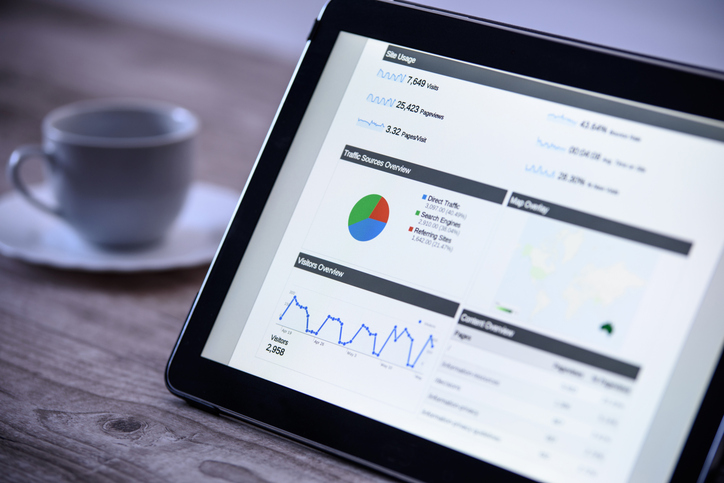
Google Analytics can track some AI traffic, but not all of it.
As AI platforms continue evolving, some referral information is passed through whilst other interactions remain hidden.
The visibility largely depends on:
- The AI platform being used
- How the referral is generated
- Browser behaviour
- Tracking configuration
Advanced GA4 configurations can sometimes help isolate AI-driven traffic through custom channel groupings and traffic source analysis.
However, this requires specialist implementation and a strong understanding of analytics reporting.
For many business owners, this quickly becomes complicated.
What Is The Difference Between AI Traffic And AI Visibility?
AI traffic and AI visibility are closely related but fundamentally different metrics.
Traffic measures website visits.
Visibility measures mentions and citations.
A business may appear in hundreds of AI-generated responses without generating significant website traffic.
That visibility still has value.
Every mention:
- Builds brand awareness
- Increases authority
- Strengthens credibility
- Improves recognition
This is why focusing exclusively on website traffic can be misleading.
Modern marketers need to understand both visibility and traffic.
Together, they provide a much clearer picture of performance.
Why Does Content Play Such An Important Role?
Content remains the foundation of AI visibility.
Large language models need information to reference.
The strongest sources are typically websites that consistently publish authoritative content around specific topics.
This is where a Learning Centre becomes particularly valuable.
A Learning Centre enables businesses to answer:
- Informational questions
- Comparison queries
- Industry concerns
- How-to searches
- Commercial research topics
Each article becomes another potential entry point into an AI-generated response.
The more comprehensive your content library becomes, the more opportunities exist for citations and visibility.
How Does Answer Search Optimisation Improve AI Visibility?
Answer Search Optimisation focuses on helping your content appear within AI-generated answers.
The approach is built around understanding what consumers are actually asking.
Instead of focusing exclusively on keywords, the emphasis shifts towards questions and intent.
Strong Answer Search Optimisation includes:
- Direct answers
- Structured content
- Schema markup
- Supporting evidence
- Topical authority
When AI platforms search for trusted sources, content optimised in this way is often easier to understand and reference.
This increases both visibility and citation opportunities.
Why Are Citations More Important Than Ever?
Citations have become one of the strongest trust signals within AI search.
Large language models attempt to identify consensus and authority.
One way they achieve this is by assessing whether information has been referenced elsewhere.
External citations from:
- Industry websites
- News publications
- Trusted blogs
- Professional organisations
help reinforce credibility.
This strengthens your authority profile and increases the likelihood that AI systems will reference your content.
Digital PR and link building therefore remain extremely important.
The channels may be changing, but authority still matters.
How Does Insight Owl Help Track AI Visibility?
Insight Owl was built specifically to address the reporting challenges created by AI search.
Rather than forcing marketers to piece together information from multiple systems, Insight Owl combines:
- Google Analytics
- Google Search Console
- SEMrush
- AI visibility reporting
into a single dashboard.
Within the Rankings and AI Visibility section, users can monitor:
- Brand mentions
- Citation frequency
- AI Overview appearances
- Search visibility trends
- Competitor visibility
This provides a much clearer understanding of how your brand is performing across both traditional search and AI search environments.
What Should Businesses Measure Going Forward?
Businesses should continue tracking traditional metrics whilst expanding their focus to include AI visibility.
The future of search is no longer limited to Google.
Consumers are searching across:
- ChatGPT
- Gemini
- Claude
- Perplexity
- Google AI Overviews
The businesses that succeed will be the ones measuring visibility wherever those searches occur.
Traffic remains important.
Rankings remain important.
But citations, mentions and AI visibility are becoming equally valuable indicators of success.
If you want to understand how your brand performs across ChatGPT, Gemini, Google AI Overviews and other AI search environments, explore Insight Owl and discover how AI visibility and search performance can be monitored from a single reporting dashboard.
Simple pricing, serious output.