AI Visibility
How To Measure My Brand’s Visibility in ChatGPT
The way people search for information has fundamentally changed.
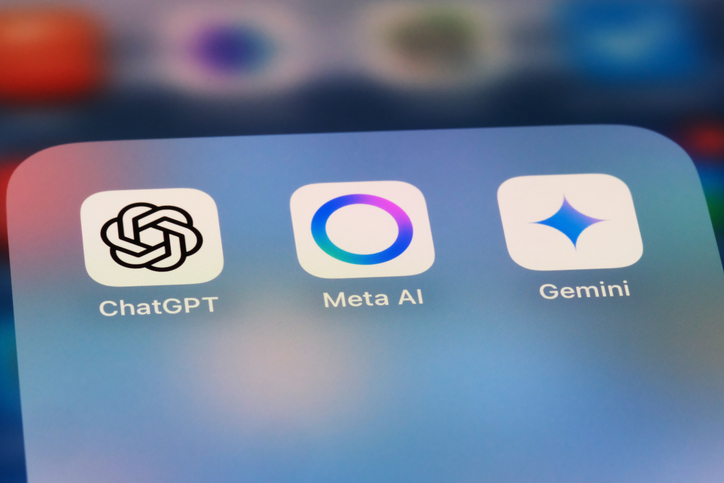
For over twenty years, businesses measured their online visibility through Google rankings, website traffic and keyword positions. Today, consumers are increasingly turning to large language models such as ChatGPT, Gemini, Claude and Perplexity to answer questions, compare products and research solutions.
This shift creates a new challenge for marketers and business owners.
How do you know whether your brand is appearing within AI-generated answers?
The businesses that understand how to measure their visibility in AI search will gain a significant advantage over those still relying solely on traditional SEO metrics. As Google’s move towards AI-powered search continues to accelerate, understanding your visibility within ChatGPT and other large language models is becoming essential.
What Will You Learn In This Article?
This article covers:
- Why AI visibility matters
- How ChatGPT references brands
- What metrics you should track
- How Answer Search Optimisation improves visibility
- Why Learning Centre content matters
- How Insight Owl measures AI visibility
- The future of AI search reporting
Why Does ChatGPT Visibility Matter?
ChatGPT visibility matters because consumer search behaviour is changing rapidly and AI platforms are increasingly becoming the first place people look for answers.
Historically, search engine optimisation focused on appearing within Google’s search results. The goal was simple. Rank highly, attract clicks and generate traffic.
That model is evolving.
Today, many users ask questions directly inside ChatGPT, Gemini, Claude or Perplexity. Rather than presenting a list of websites, these platforms synthesise information and provide direct answers.
This means your website may no longer be the destination.
Instead, it becomes the source.
The brands that are consistently referenced within AI-generated answers are building awareness, trust and authority long before a prospect ever visits their website.
How Does ChatGPT Decide Which Brands To Reference?
ChatGPT references brands and websites that demonstrate authority, relevance and trust around a specific topic.
Large language models assess multiple signals when generating responses.
These include:
- Topical relevance
- Structured content
- Website authority
- External citations
- User intent alignment
- Brand recognition
Unlike traditional search engines that focus heavily on links and keyword rankings, AI models attempt to understand expertise and consensus.
The strongest results often come from brands that consistently publish high-quality content answering specific questions within their niche.
This is why Learning Centre content has become so important.
What Does Brand Visibility In ChatGPT Actually Mean?
Brand visibility in ChatGPT refers to the frequency and context in which your brand appears within AI-generated responses.
This visibility can take several forms.
Your brand may be:
- Directly cited within an answer
- Referenced as a recommended provider
- Included in comparison content
- Mentioned as an authority source
- Referenced indirectly through content citations
The challenge is that traditional analytics tools were never designed to measure this type of visibility.
Historically, marketers measured clicks.
Now they must also measure mentions.
That is a very different way of thinking about digital visibility.
How Can You Measure Your Brand’s Visibility In ChatGPT?
The most effective way to measure visibility is by monitoring brand mentions, citation frequency and question-level rankings across AI search environments.
Modern platforms such as Insight Owl and SEMrush have started addressing this challenge by providing visibility metrics that extend beyond traditional search rankings.
These tools help identify:
- How often your brand appears
- Which questions trigger mentions
- Which competitors are appearing
- How visibility changes over time
- Which content generates references
This allows marketers to move beyond assumptions and begin measuring AI visibility using real data.
Understanding which questions your brand appears for is particularly valuable because it reveals exactly where your authority is strongest.
Why Is Answer Search Optimisation Important?
Answer Search Optimisation improves the likelihood that your content will be referenced within AI-generated answers.
Traditional SEO focused heavily on keywords.
Answer Search Optimisation focuses on questions.
The objective is to understand what consumers are asking and then create content that directly answers those questions.
When somebody asks ChatGPT a question, the platform attempts to identify trusted sources that provide the most relevant answer.
Content designed around user questions naturally performs better in this environment because it aligns directly with search intent.
This is one of the reasons why Learning Centre content is becoming increasingly valuable.

How Does A Learning Centre Improve AI Visibility?
A Learning Centre creates a structured repository of content that answers the questions consumers are searching for.
Instead of publishing random blog posts, a Learning Centre is organised around content silos and topic clusters.
These content clusters help establish topical authority.
For example, if you operate within digital marketing, your Learning Centre might include content around:
- SEO
- AI visibility
- Content marketing
- Analytics
- Social media
When dozens or even hundreds of related articles exist around these themes, large language models begin recognising your website as an authority source.
The stronger your topical authority becomes, the greater your likelihood of appearing in AI-generated answers.
Why Is Schema Markup Important For AI Search?
Schema markup helps machines understand the structure and purpose of your content more clearly.
Whilst schema has historically been associated with traditional SEO, its importance is increasing within AI search environments.
Schema provides context.
It helps identify:
- Authors
- FAQs
- Articles
- Reviews
- Organisations
- Key content elements
The easier it is for machines to interpret your content, the easier it becomes for that content to be referenced and cited.
Combined with strong content and authoritative sources, schema helps improve discoverability across both search engines and large language models.
How Do Citations Improve AI Visibility?
External citations remain one of the strongest trust signals available online.
Large language models seek confidence when generating answers.
One way they establish confidence is by identifying whether information has been referenced elsewhere.
When your content is cited by:
- Industry publications
- News websites
- Professional organisations
- Trusted blogs
- Authoritative resources
it becomes easier for AI platforms to trust your expertise.
This directly contributes to stronger authority signals.
Digital PR, link building and citation acquisition therefore remain incredibly important in the age of AI search.
What Is E-E-A-T And Why Does It Matter?
E-E-A-T stands for Experience, Expertise, Authority and Trust.
These principles help search engines and AI systems evaluate the quality of content.
The strongest AI citations typically come from content that demonstrates:
- Genuine experience
- Subject expertise
- Recognised authority
- Trustworthy information
Businesses often focus on publishing more content.
The real objective should be publishing more authoritative content.
Quality and expertise matter significantly more than volume alone.
AI systems are increasingly sophisticated in identifying the difference.
How Does Insight Owl Measure AI Visibility?
Insight Owl was built specifically to help marketers understand visibility in a world increasingly dominated by AI search.
Traditional analytics tools focus primarily on website traffic and rankings.
Insight Owl expands that view by bringing together:
- Google Analytics
- Google Search Console
- SEMrush
- AI visibility data
within a single dashboard.
This allows users to understand not only how their website is performing, but also how their brand is appearing within AI-driven search environments.
The platform helps identify:
- Brand mentions
- AI visibility trends
- Question-level opportunities
- Search performance
- Marketing attribution
All within one reporting environment.
What Should Businesses Measure Going Forward?
Businesses should continue monitoring traditional SEO metrics whilst adding AI visibility metrics into their reporting framework.
The future of search is unlikely to belong exclusively to Google or exclusively to ChatGPT.
It will be a combination of both.
The smartest marketers are therefore tracking:
- Organic traffic
- Keyword rankings
- Brand mentions
- AI citations
- Search visibility
- Topic authority
Together, these metrics provide a much clearer picture of modern digital performance.
The businesses that adapt first will be the ones that dominate the next generation of search.
If you want to understand how often your brand appears in ChatGPT, Gemini, Claude and Perplexity, explore Insight Owl and discover how AI visibility, search performance and marketing analytics can be monitored from a single reporting dashboard.
Simple pricing, serious output.